



















Strait of Hormuz Crisis: IRGC Energy Blockade & U.S. Counter-Response | Global Energy Alertus iran
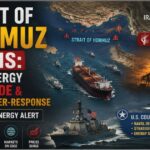
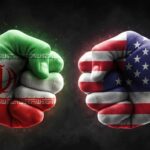
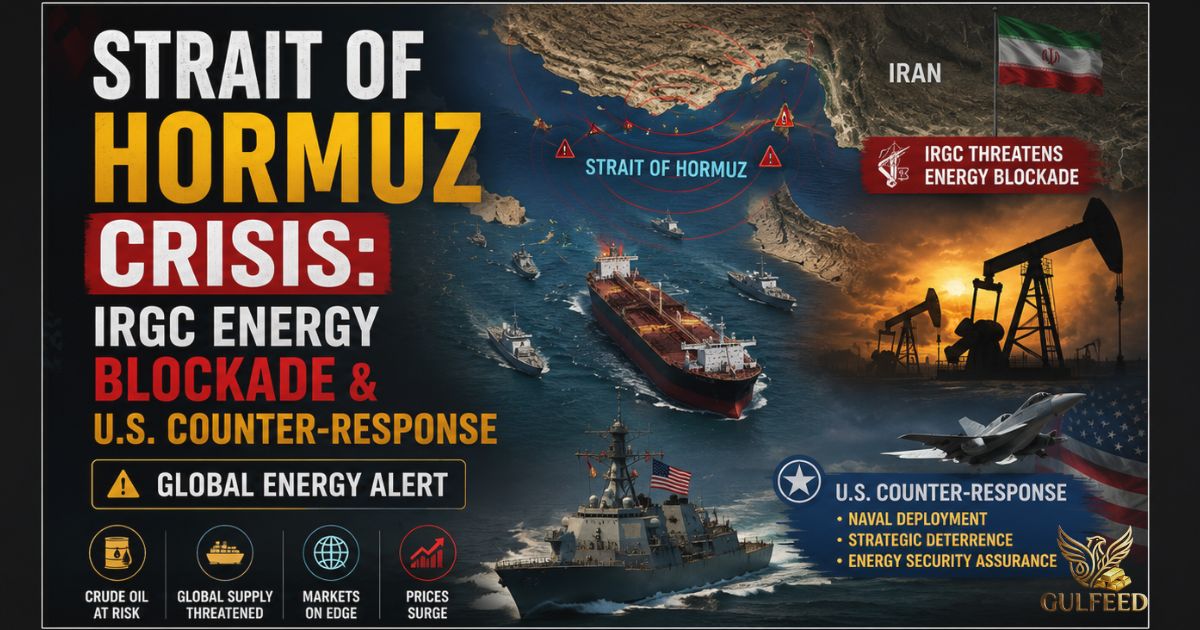
In a significant escalation that has reverberated through global energy markets, Iran’s Islamic Revolutionary Guard Corps (IRGC) has announced the closure of the strategic Strait of Hormuz “until further notice.” This bold action has sparked a direct military confrontation with United States naval forces and plunged international maritime shipping into utter disarray.
The sudden closure comes on the heels of a series of targeted attacks on commercial vessels by Iranian forces operating in the waterway. These aggressive actions have led to the complete breakdown of the fragile ceasefire and the diplomatic Memorandum of Understanding (MoU) established between Washington and Tehran in June 2026.
Emergency Alert: Maritime authorities are urging all commercial vessels and oil tankers currently navigating the Gulf of Oman and Persian Gulf to seek refuge in designated safe zones as naval forces prepare for mobilization.
The Collapse of the June 2026 Ceasefire
Just weeks after international mediators facilitated a tentative peace agreement aimed at stabilizing Gulf shipping routes, the diplomatic advancements have been completely reversed. Official reports indicate that the IRGC has deployed fast-attack vessels and coastal missile systems to enforce the blockade, citing “imminent security threats” as the rationale for closing the transit corridor.
The U.S. Department of Defense swiftly condemned the blockade, characterizing it as an unlawful obstruction of international waters. In retaliation, the U.S. Navy’s Fifth Fleet, based in Bahrain, has launched a vigorous counter-blockade operation to safeguard shipping lanes, heightening the risk of a broader naval conflict. For official updates regarding regional security and defense evaluations, you can follow the latest reports on the U.S. Department of Defense portal, as well as ongoing naval operations on the U.S. Naval Forces Central Command (NAVCENT) website.
Global Shipping in Chaos as Energy Markets React
The Strait of Hormuz is universally acknowledged as the most crucial energy chokepoint globally, with approximately 20% of the world’s petroleum consumption traversing its narrow waters each day.
The immediate effects of this military standoff are as follows:
Rising Crude Prices: Global oil benchmarks experienced an immediate surge following the announcement, with Brent crude exceeding significant resistance levels. For real-time price changes and market effects, refer to the live oil prices on Bloomberg Energy Markets.
Increased Insurance Premiums: Marine insurers have designated the entire Persian Gulf as a high-risk area, leading to a dramatic overnight increase in transit insurance premiums.
Logistical Congestion: Numerous supertankers transporting crude oil from Saudi Arabia, Iraq, the UAE, and Kuwait are currently either stranded or actively searching for alternative routes around the horn of Africa.
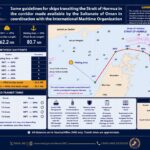
For real-time updates on maritime safety bulletins and international shipping alerts, consult the security updates from the International Maritime Organization (IMO), or check the live global vessel movements available on MarineTraffic.
What Lies Ahead?
As the United States and its coalition allies implement their counter-blockade, diplomatic efforts are intensifying behind the scenes. Nevertheless, with both the IRGC and U.S. Central Command unwilling to reduce tensions, the risk of an outright military conflict in the Gulf is at a peak. Investors, shipping firms, and governments around the globe are preparing for an extended standoff that could significantly alter global supply chains.
For the quickest and most dependable Updates, along with live interactive charts on Fuel Prices, Gold Rates, and Commodity changes across the GCC, be sure to bookmark Gulfeed!