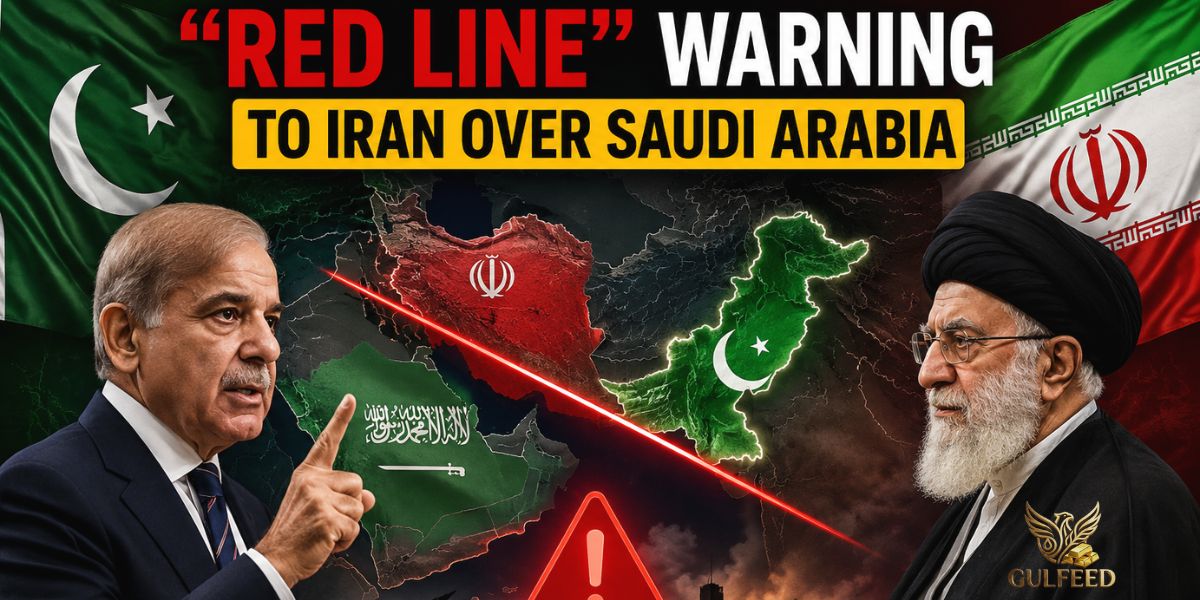
Pakistan Issues “Red Line” Warning to Iran Over Saudi Arabia
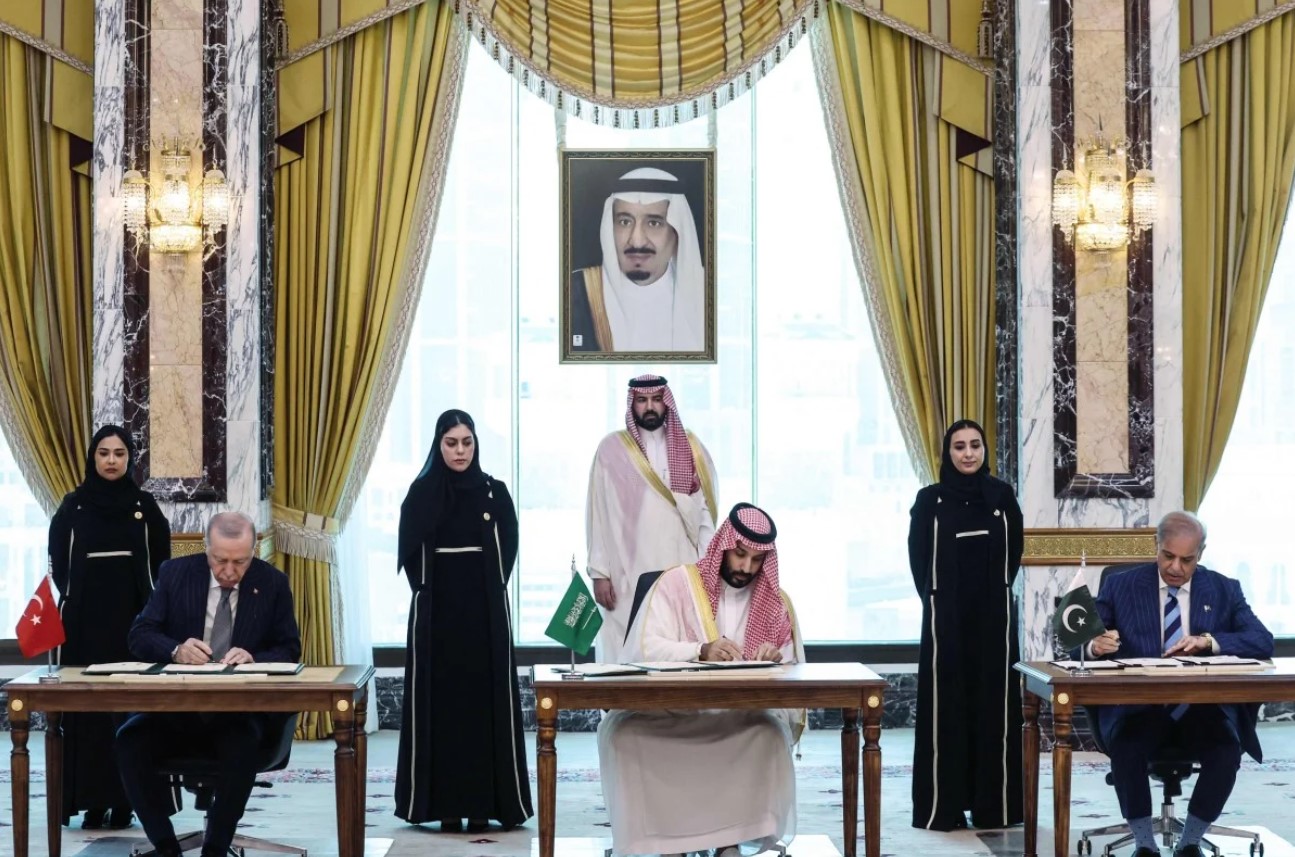
In a major diplomatic and military shift that has altered the security landscape of the Middle East, Islamabad has formally issued a strong “Red Line” warning to Tehran. This strategic announcement arises amid escalating regional proxy tensions and recent increases in maritime and airspace confrontations throughout the Gulf, with Pakistan clearly stating that any threat to the territorial integrity or security of the Kingdom of Saudi Arabia will provoke an immediate and forceful response.
This high-level declaration signifies a significant change in Pakistan’s stance, which has traditionally sought to maintain a balance in its relationships with both its neighbor, Iran, and its strategic security ally, Saudi Arabia.

Defensive Guarantees and the “Red Line” Strategic Blueprint
The formal communication, evaluated by high-ranking defense analysts, highlights Pakistan’s enduring defense agreements with Riyadh. As part of these agreements, numerous Pakistani military personnel are consistently deployed in the Kingdom for training and advisory functions.
Military sources indicate that the “Red Line” directive suggests Pakistan’s commitment to offering direct tactical and defensive assistance, which includes air defense deployments and intelligence sharing, in the event that Saudi critical infrastructure encounters additional threats from regional entities or associated drone networks.
For updates on official diplomatic statements from Islamabad, refer to the press center of the Pakistan Ministry of Foreign Affairs (MOFA).
Rising Tensions and the Trilateral Impact
The existing friction is closely linked to larger maritime chokehold challenges and targeted assaults on energy infrastructure, which have disrupted global trade routes this year.
The security framework identifies several critical friction points:
- Strategic Interceptions: Improved collaboration between Saudi and Western coalition defense forces to safeguard energy fields.
- Border Vigilance: Pakistan ramping up intelligence monitoring along its western border with Iran to avert cross-border spillover.
- Diplomatic Overdrive: Secure communication channels functioning discreetly through neutral mediators to avert a direct kinetic escalation.
For comprehensive updates on geopolitical risks and regional military developments, refer to the strategic assessments available in the Al Jazeera English Security Section or monitor regional news through Arab News.
Global and Regional Implications
| Country | Strategic Alignment | Current Defense Posture | Primary Objective |
| Pakistan | Strategic Partner to KSA | High Alert / Border Vigilance | Containment & Deterrence |
| Saudi Arabia | Key Regional Hegemon | Maximum Active Air Defenses | Infrastructure Protection |
| Iran | Independent Actor | Mobilized Strategic Assets | Regional Leverage |
What Lies Ahead?
As global organizations urge for caution, the next few weeks will be vital for stability in the Middle East.
Pakistan’s warning serves as a significant deterrent aimed at maintaining the current situation; however, the unpredictable dynamics of the ongoing energy corridor crisis suggest that even a minor error could lead to a broader conflict.
International markets, oil consortiums, and defense agencies are closely observing Tehran’s reaction to Islamabad’s assertive diplomatic stance.
For ongoing updates on global defense realignments and evaluations from state departments, follow the Reuters International News network.
For latest news must visit :
For the quickest and most dependable Updates, along with live interactive charts on Fuel Prices, Gold Rates, and Commodity changes across the GCC and the World , be sure to bookmark Gulfeed!